
ta name="apple-mobile-web-app-title" content="Nisarg Casting" />

Everything You Need To Know About Centrifugal Casting

14 March, 2026 Category

Everything You Need To Know About Centrifugal Casting

Centrifugal casting is one of the most efficient and widely used metal casting processes in modern manufacturing. Known for its ability to produce high-strength, defect-free components, this method has become a preferred choice across industries such as automotive, oil & gas, power generation, and heavy engineering.

What is Centrifugal Casting?

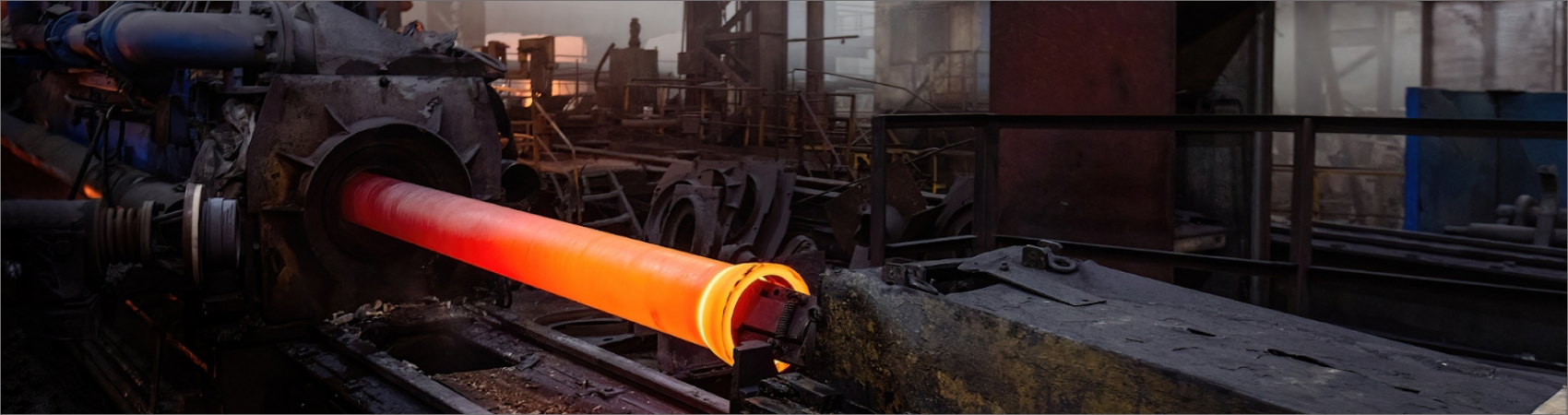
Centrifugal casting is a manufacturing process in which molten metal is poured into a rotating mold. The mold spins at high speed, and centrifugal force pushes the molten metal outward toward the walls of the mold. As the metal solidifies, it forms a dense and uniform structure, free from many of the defects commonly found in other casting methods.

This process is especially suitable for producing cylindrical or hollow components such as pipes, tubes, rings, bushings, and sleeves. With advanced technology and strict quality control, Nisarg Casting ensures that every centrifugal casting product meets precise specifications and industry standards.

How Does Centrifugal Casting Work?

The centrifugal casting process involves several key steps:

  • Mold Preparation A cylindrical mold, usually made of metal, is cleaned and preheated. A refractory coating may be applied to ensure smooth casting and easy removal.
  • Rotation of the Mold The mold is rotated at high speed around its axis. The speed of rotation depends on the size and type of the casting being produced.
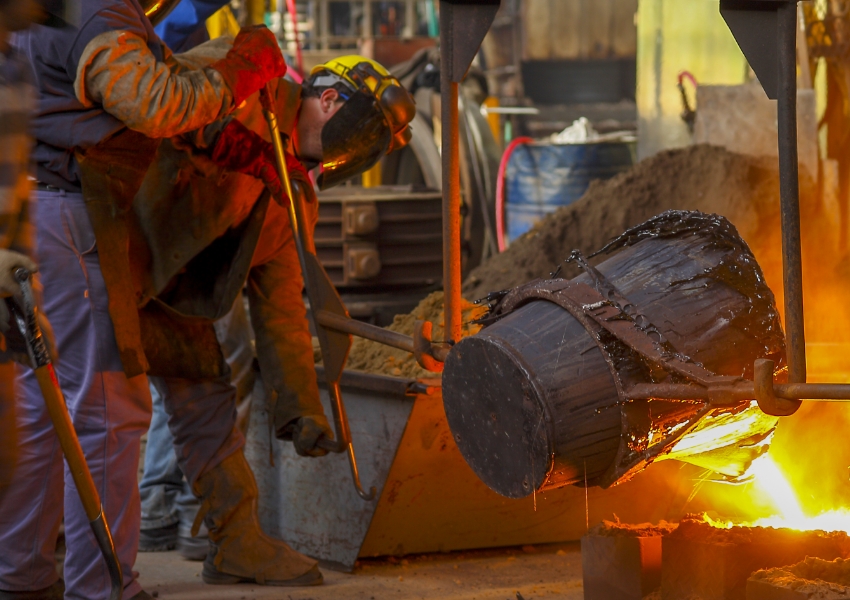
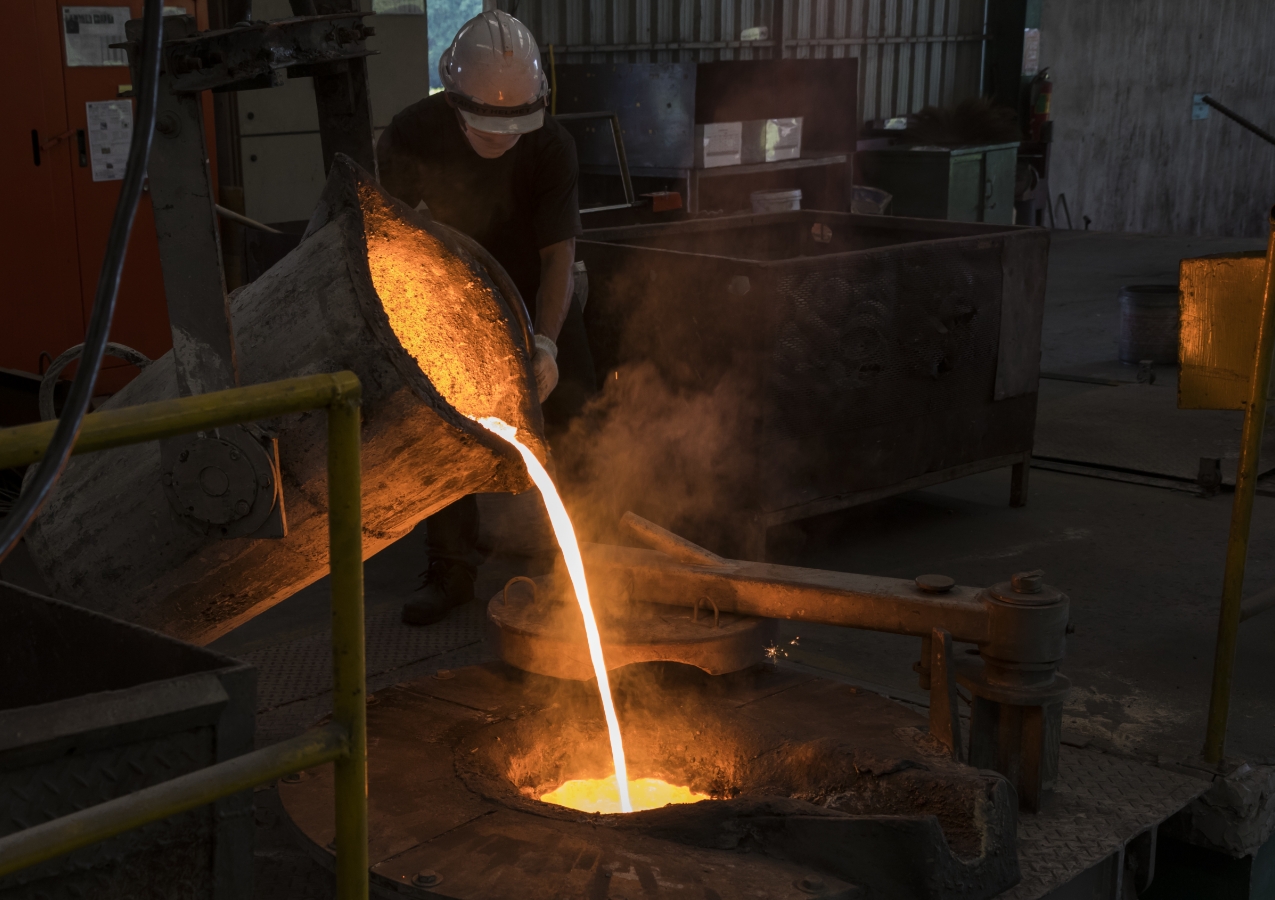
  • Pouring Molten Metal Molten metal is poured into the rotating mold. Due to centrifugal force, the metal is evenly distributed along the inner walls of the mold.
  • Solidification As the mold continues to rotate, the molten metal cools and solidifies from the outer surface inward. This results in a dense outer layer and a clean inner surface.
  • Removal and Finishing Once solidified, the casting is removed from the mold. Any impurities or unwanted inner layers are machined off to achieve the desired dimensions and finish.

Types of Centrifugal Casting

Centrifugal casting can be categorized into three main types:

  • True Centrifugal Casting This method is used to produce hollow cylindrical parts without the need for a core. Examples include pipes and tubes.
  • Semi-Centrifugal Casting Used for solid components, this method employs centrifugal force to improve density and reduce defects.
  • Centrifuging In this technique, multiple molds are arranged around a central axis, and molten metal is distributed to each mold through centrifugal force.

Advantages of Centrifugal Casting

Centrifugal casting offers several benefits that make it a preferred manufacturing process:

  • High Strength and Durability The centrifugal force eliminates air pockets and impurities, resulting in dense and highly durable components.
  • Superior Metallurgical Properties The process ensures uniform grain structure, enhancing mechanical properties such as tensile strength and wear resistance.
  • Reduced Defects Common casting defects like porosity and shrinkage are significantly minimized.
  • Cost-Effective ProductionLess material waste and reduced need for secondary operations make the process economical.
  • Excellent Surface FinishThe outer surface of the casting is smooth and requires minimal machining.

With a focus on these advantages, Nisarg Casting delivers products that meet the highest quality standards.

Applications of Centrifugal Casting

Centrifugal casting is widely used across various industries due to its versatility and reliability:

  • Automotive IndustryUsed for manufacturing engine components, cylinder liners, and bushings.
  • Oil and Gas IndustryIdeal for producing pipes and tubular components that can withstand high pressure and corrosion.
  • Power GenerationUsed in the production of turbine components and other high-performance parts.
  • Construction and InfrastructureApplied in the manufacturing of pipes, rollers, and structural components.
  • Industrial MachineryUsed for producing wear-resistant components such as sleeves and bearings.

Nisarg Casting caters to these industries by providing high-quality centrifugal casting solutions tailored to specific needs.

Materials Used in Centrifugal Casting

A wide range of metals and alloys can be used in centrifugal casting, including:

  • Cast iron
  • Stainless steel
  • Carbon steel
  • Alloy steel
  • Bronze
  • Brass

Quality Control in Centrifugal Casting

Maintaining quality is critical in centrifugal casting. The process involves strict monitoring and testing at every stage:

  • Raw material inspection
  • Process parameter control
  • Non-destructive testing (NDT)
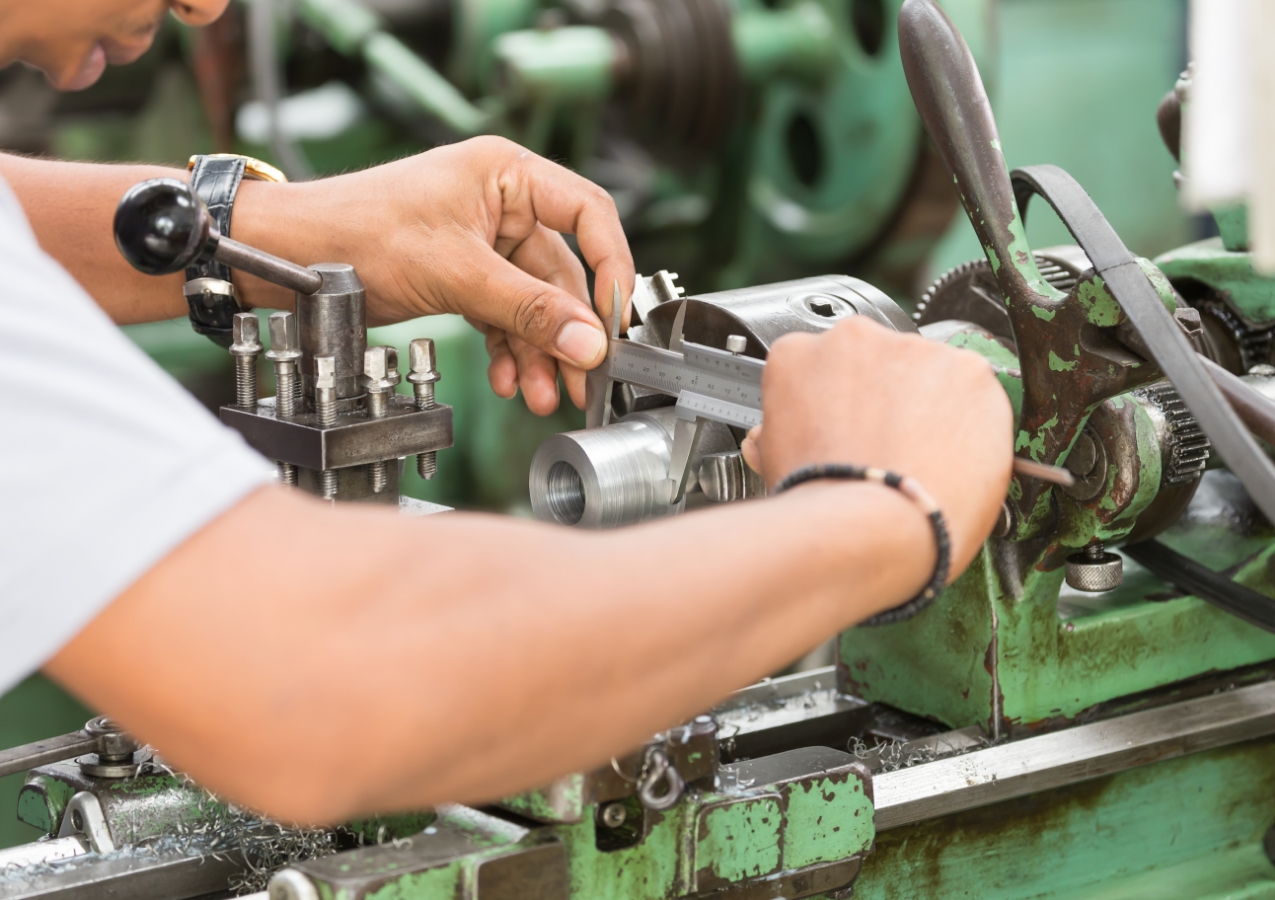
  • Dimensional inspection
  • Surface quality checks

By implementing advanced quality control measures, Nisarg Casting ensures that every product meets industry standards and customer expectations.

Challenges in Centrifugal Casting

While centrifugal casting offers many advantages, it also presents certain challenges:

  • Limited to symmetrical shapes
  • High initial setup cost
  • Requires precise control of process parameters

However, with expertise and advanced technology, these challenges can be effectively managed. Nisarg Casting leverages its experience and innovation to overcome these limitations and deliver superior results.

Role of Technology in Modern Centrifugal Casting

Technological advancements have significantly improved the efficiency and accuracy of centrifugal casting. Computer simulations, automated systems, and real-time monitoring help optimize the process and reduce errors.

Environmental Benefits

Centrifugal casting is also considered an environmentally friendly process. It reduces material waste, improves energy efficiency, and minimizes emissions compared to traditional casting methods.

Conclusion

Centrifugal casting is a powerful and efficient manufacturing process that offers numerous advantages, including high strength, reduced defects, and cost-effectiveness. Its ability to produce durable and precise components makes it an essential part of modern industries. As the demand for high-performance materials continues to grow, centrifugal casting will play an increasingly important role in shaping the future of manufacturing.

Enquiry Now

Request a Quote

Fill out the form with your requirements, and our team will get back to you with the best solution and a free estimate.