22 April 2026
 14 March, 2026
 Category


In today’s industrial landscape, manufacturers are constantly searching for materials and processes that offer the perfect balance of strength, durability, cost-efficiency, and performance. Among the many options available, brass casting has established itself as one of the most reliable and versatile solutions for producing high-quality industrial components. From plumbing fittings to precision-engineered machine parts, brass casting plays a critical role in multiple sectors.
This blog explores the key advantages of brass casting and why it continues to be a preferred choice for industrial applications.
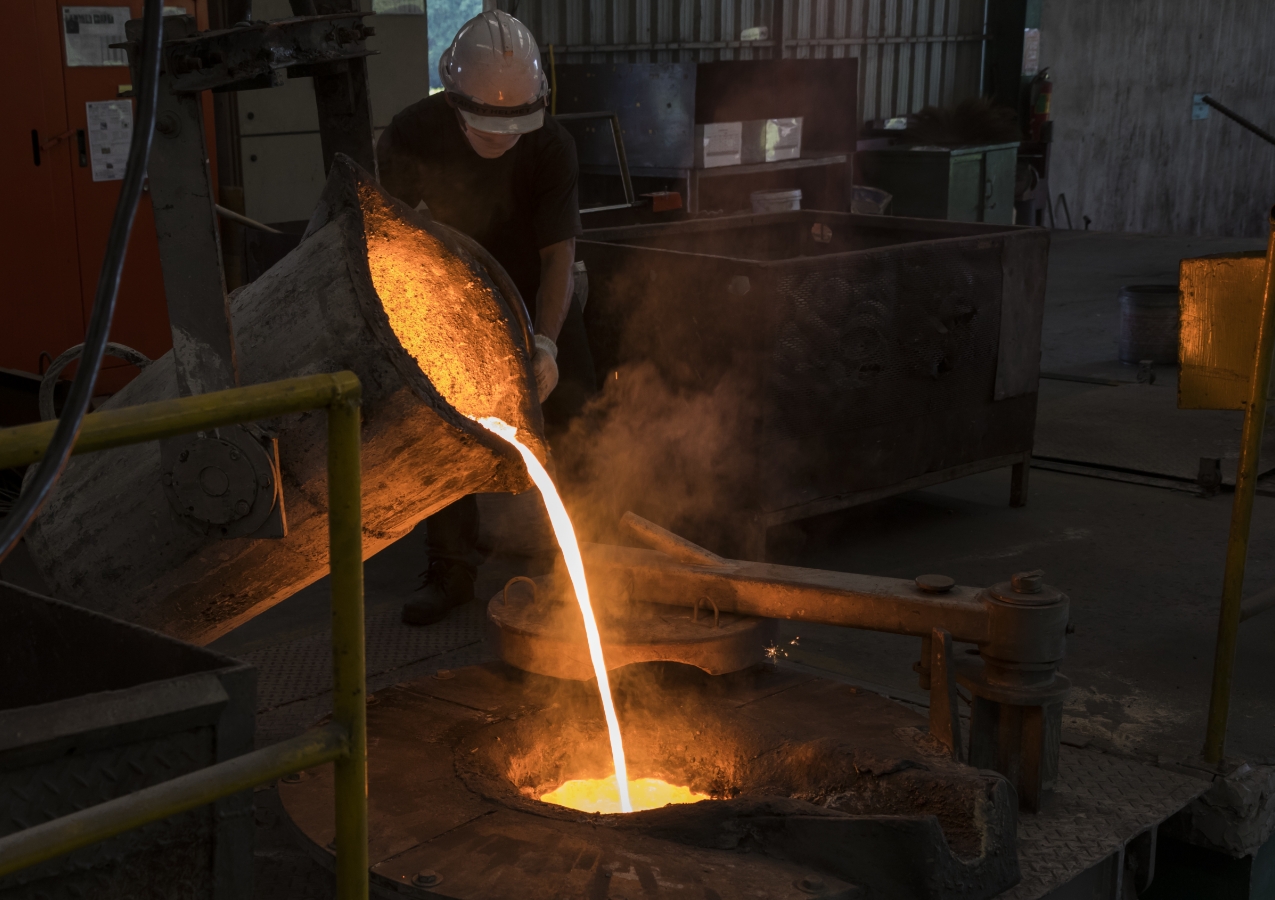
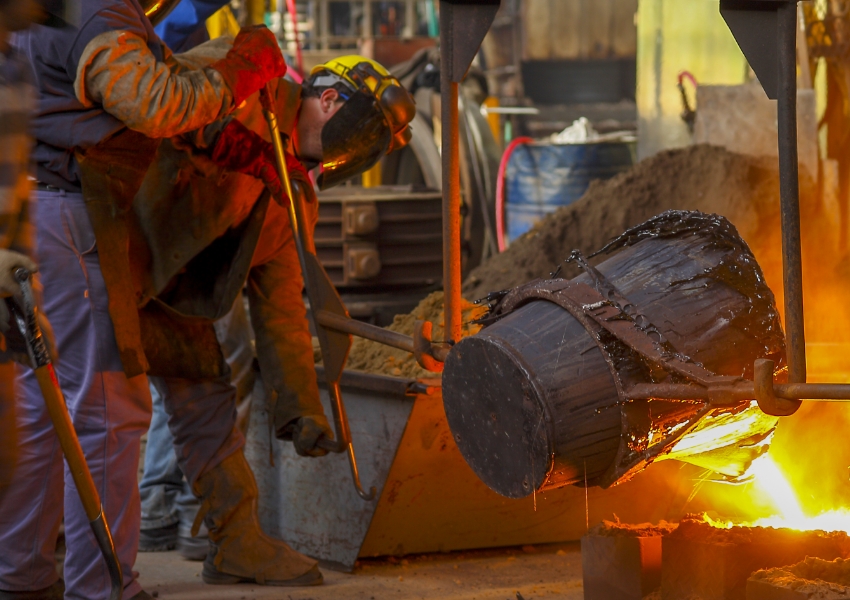
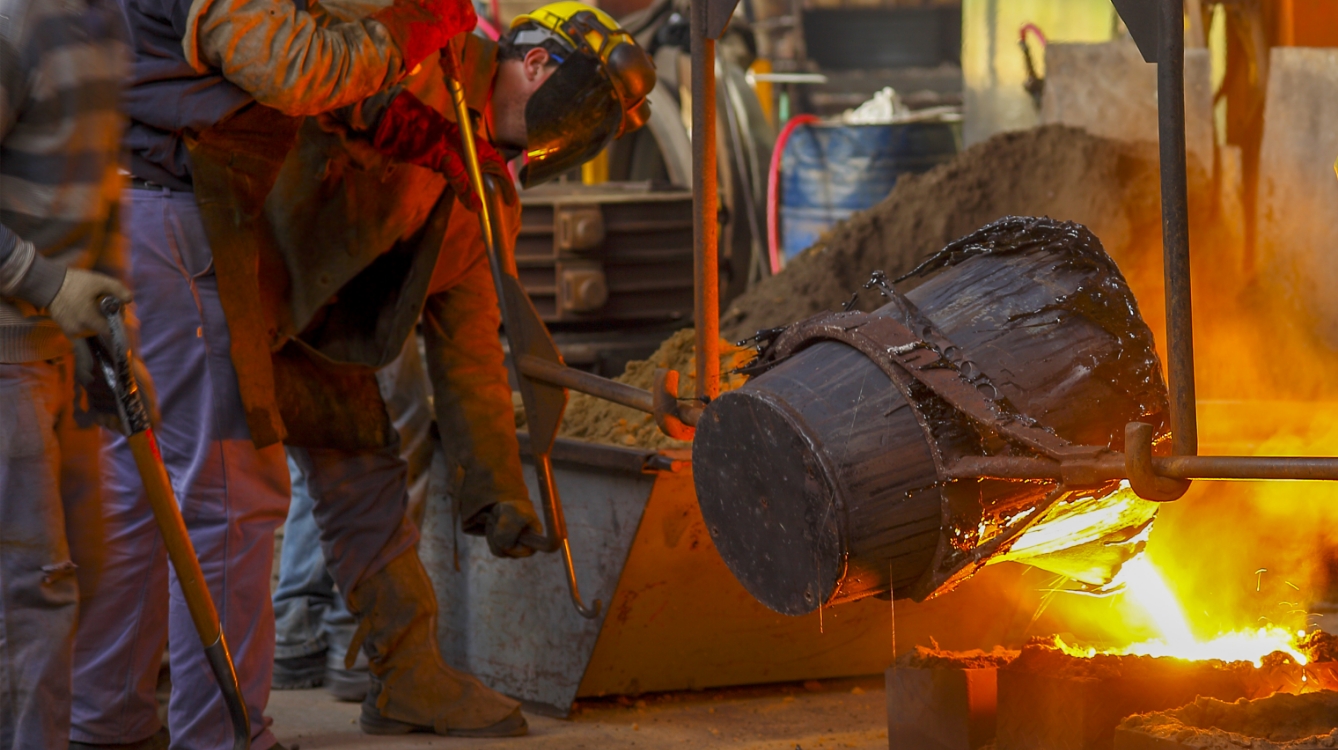
Brass casting is a manufacturing process in which molten brass - an alloy mainly composed of copper and zinc is poured into molds to create components of desired shapes and sizes. Once the metal solidifies, it takes the exact form of the mold, allowing manufacturers to produce both simple and highly complex designs with precision.
The process is widely used because brass offers a unique combination of mechanical and chemical properties. These include excellent corrosion resistance, good strength, high machinability, and appealing aesthetics. Such characteristics make brass casting suitable for both functional and decorative industrial components.
Before diving into the advantages of brass casting, it is important to understand why brass itself is so widely used in manufacturing:
These properties make brass an ideal choice for industries that require reliability and efficiency in their components.
One of the most significant advantages of brass casting is its superior resistance to corrosion. Brass components can withstand exposure to water, air, and various chemicals without deteriorating quickly. This makes them ideal for use in plumbing systems, marine environments, and chemical processing industries.
Unlike some other metals, brass does not rust, which increases the lifespan of components and reduces maintenance requirements.
Brass casting produces components that are both strong and durable. The alloy composition provides a good balance between hardness and flexibility, allowing parts to handle mechanical stress and wear over time.
In industrial settings where equipment operates under demanding conditions, durability is essential. Brass components maintain their performance even in high-pressure or high-temperature environments, making them a dependable choice.
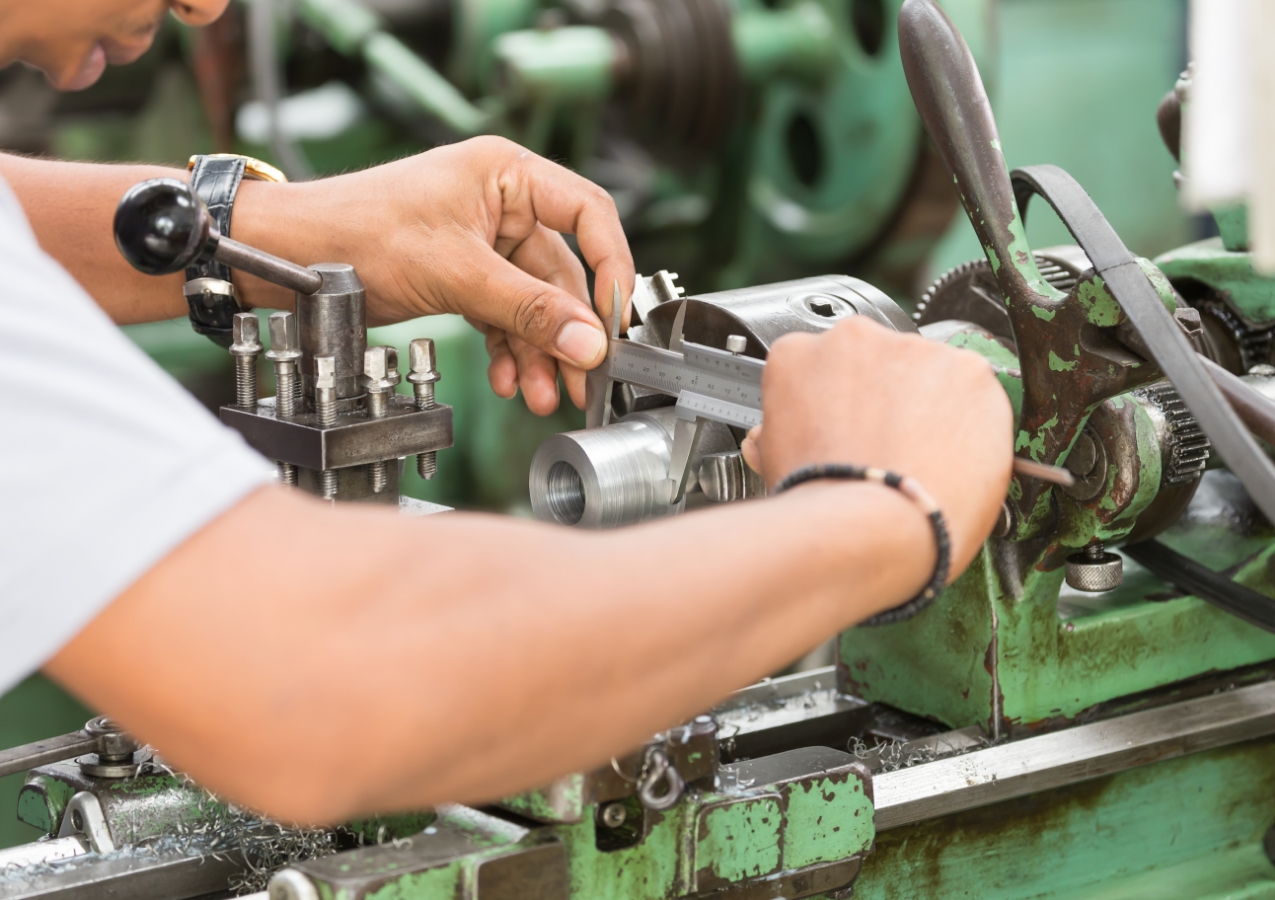
Brass is known for its excellent machinability, which means it can be easily cut, drilled, and shaped without causing excessive wear on tools. This reduces manufacturing time and costs while allowing for precise customization.
This advantage is particularly useful when producing components with tight tolerances or intricate designs. Manufacturers can achieve high levels of accuracy without compromising efficiency.
Brass casting is a cost-efficient manufacturing process, especially when producing components in large quantities. The process minimizes material waste and reduces the need for extensive post-processing.
Additionally, the long lifespan of brass components lowers replacement and maintenance costs. Over time, this results in significant savings for businesses, making brass casting a smart investment.
One of the standout benefits of brass casting is its ability to create complex and detailed shapes. Whether its small precision parts or larger industrial components, the casting process allows for high flexibility in design.
This versatility enables manufacturers to meet specific application requirements without the need for multiple fabrication processes. Complex geometries can be achieved in a single step, improving efficiency and consistency.
Brass offers good thermal and electrical conductivity, making it suitable for applications where efficient heat or electrical transfer is required. This is particularly beneficial in industries such as electrical engineering and heat exchange systems.
Components like connectors, terminals, and radiators often rely on brass for their performance and reliability.
Brass casting typically results in components with a smooth and refined surface finish. This reduces the need for additional polishing or finishing operations, saving both time and cost.
A better surface finish not only enhances the appearance of the component but also improves its functionality, especially in applications where precision is critical.
Brass components exhibit good wear resistance, making them suitable for moving parts such as gears, bearings, and bushings. The material’s ability to withstand friction and mechanical stress ensures longer service life.
This reduces downtime and maintenance requirements, which is essential for maintaining productivity in industrial operations.
Brass is a highly recyclable material, making it an environmentally friendly choice. Recycling brass requires less energy compared to producing new metal, which helps reduce the overall environmental impact.
Sustainable manufacturing practices are becoming increasingly important, and brass casting supports these efforts by minimizing waste and conserving resources.
Maintaining consistent quality is essential in brass casting. The process involves careful monitoring at every stage, including:
Strict quality control ensures that the final components meet performance standards and function reliably in their intended applications.
The demand for brass casting continues to rise due to its numerous advantages and wide range of applications. Industries are increasingly looking for materials that offer durability, efficiency, and sustainability and brass meets all these requirements.
As manufacturing processes evolve, brass casting remains a reliable solution for producing components that meet modern performance standards.
Brass casting offers a wide range of advantages that make it an essential process in industrial manufacturing. From corrosion resistance and durability to cost-effectiveness and design flexibility, the benefits of brass casting are undeniable.
Its ability to produce high-quality components with precision and efficiency ensures its continued relevance in various industries. By choosing experienced manufacturers like Nisarg Casting, businesses can achieve superior results and long-term value.
In an increasingly competitive industrial environment, investing in the right materials and processes is crucial. Brass casting not only meets these demands but also sets a strong foundation for performance, reliability, and sustainability.
Fill out the form with your requirements, and our team will get back to you with the best solution and a free estimate.